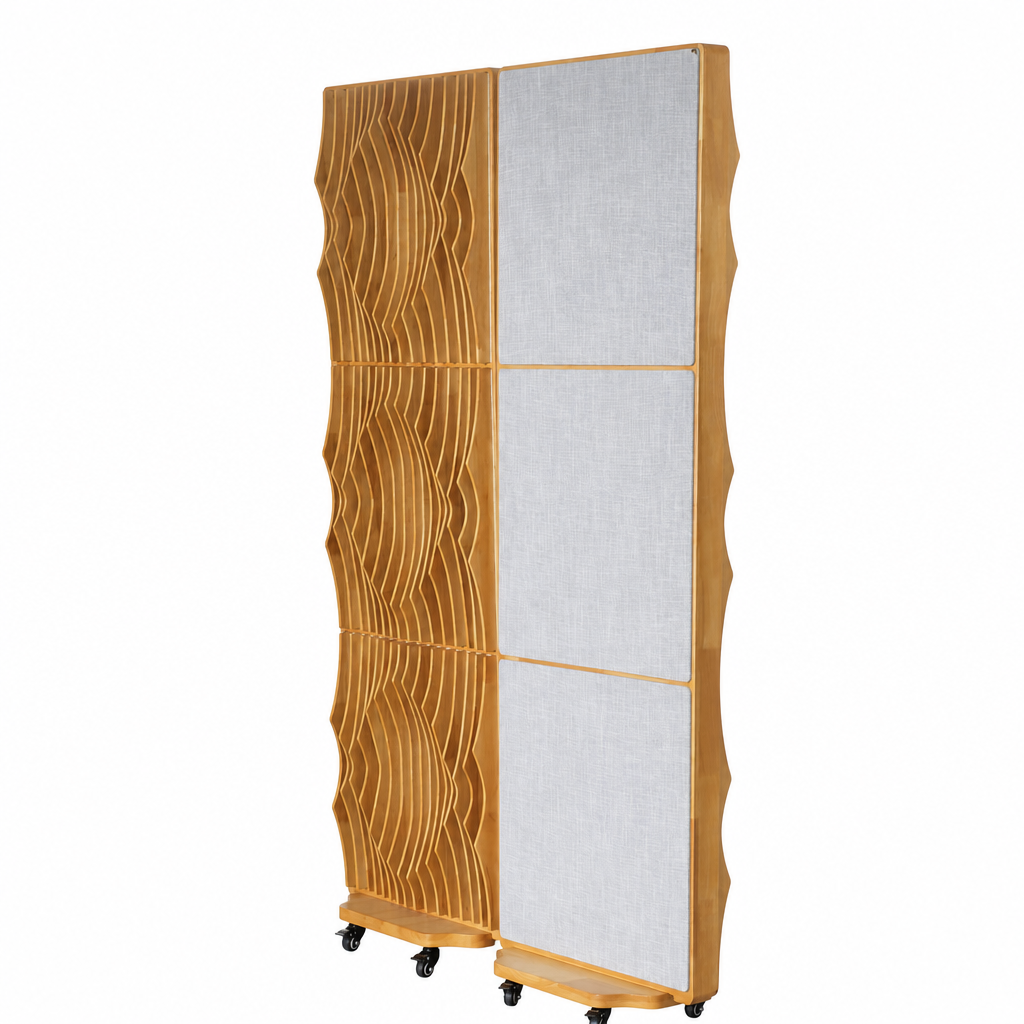
commercial building acoustic engineering materials: Core Value For Modern Construction Projects
Modern public and commercial buildings face common acoustic challenges including excessive reverberation, speech blur and unwanted noise reflection. Simple decoration finishes can hardly satisfy multi‑dimensional sound environment requirements for high‑traffic venues.
commercial building acoustic engineering materials deliver integrated solutions for such demands. These product groups balance sound absorption, noise isolation, fire safety and interior decoration for diverse construction environments.
Designers and contractors select these material ranges for education venues, cultural museums, sports facilities, office buildings and performance‑oriented indoor spaces. They support both new build projects and old‑space renovation assignments.
General building acoustic design principles can be referenced in ISO 17971 interior acoustic design guidelines for public occupied building spaces.
commercial building acoustic engineering materials: Grooved And Perforated Acoustic Panel Series
Grooved and perforated panels represent a major branch within commercial building acoustic engineering materials. This category includes grooved acoustic panels, aluminium square tubes, aluminium single panels and curved aluminium acoustic boards.
These panel products serve dual purposes for wall and ceiling decoration. Apart from handling mid‑frequency sound reflection, they create tidy and contemporary visual surfaces for auditoriums, lecture halls and exhibition centres.
Base substrates comply with mainstream public building standards. Finishing options include wood veneer, paint and melamine layers, allowing flexible matching with overall interior design themes of different projects.
They are widely deployed in university multi‑function halls, theatre lobbies and museum interiors. Many real‑world cases such as Jinan University journalism lab adopt these panels for large‑area wall finishing work.
commercial building acoustic engineering materials: Fabric Wrapped Acoustic Soft Pack Products
Fabric wrapped acoustic soft packs occupy an important position among commercial building acoustic engineering materials. This flexible product series relies on high‑density inner filler to absorb mixed‑frequency reflected indoor sound waves.
Multiple density grades are available to adapt different venue reverberation control targets. Soft pack units can be installed with reserved back cavities or pasted directly onto solid wall substrates according to site conditions.
These soft‑faced units are frequently used for performance venues, recording‑related labs and multi‑purpose auditoriums. They reduce echo effects without breaking the soft visual atmosphere of interior decoration schemes.
All finished units pass formaldehyde emission inspection and reach B1 fire‑resistance grade, making them suitable for long‑term heavy‑use public building interior environments. Relevant practical cases can be reviewed in peer‑reviewed built‑environment research papers.
commercial building acoustic engineering materials: Suspended Space Sound Absorber Range
Suspended space sound absorbers form another key segment of commercial building acoustic engineering materials. Hanging directly from ceiling trusses, they work well for venues with high interior ceiling heights.
Since these modules take advantage of overhead space, they will not consume valuable wall surface area. Installers adjust unit spacing to achieve even sound‑energy handling across the whole occupied activity zone.
Common application fields include gymnasiums, large conference halls and campus auditoriums. They cooperate with wall‑mounted panels to optimise overall reverberation time for large‑volume indoor spaces.
Installation teams must check ceiling hanging load capacity before mounting. Secure fixing prevents safety risks for venues that hold frequent large‑scale crowd‑gathering activities.
commercial building acoustic engineering materials: Fibre Based Decorative Acoustic Boards
Fibre‑based decorative boards belong to commercial building acoustic engineering materials, covering polyester fibre panels, 3D art‑shaped polyester fibre boards and wood wool acoustic boards.
Light‑weight and rich in colour choices, fibre‑based boards adapt to offices, meeting rooms, kindergartens and small‑size multimedia classrooms. Project teams can pick colours to realise diverse decorative styles.
Wood‑wool variants adopt inorganic cement composite substrates, bringing extra stability for high‑humidity indoor locations. Each variant maintains stable basic sound‑absorbing performance for daily‑use scenarios.
This material group offers relatively convenient cutting and on‑site processing features. Fit‑out crews can handle partial adjustments easily during late‑stage site construction work. Installation reference tips are available at professional acoustic engineering resource pages.
commercial building acoustic engineering materials: Specialised Coating And Auxiliary Acoustic Products
Acoustic coating, shock‑absorbing accessories and related auxiliary supplies are indispensable subsets of commercial building acoustic engineering materials. These supporting products complement main panel‑style acoustic solutions.
Sound‑absorbing coating delivers surface‑level acoustic treatment for curved or irregular wall surfaces where hard panels are difficult to mount. It maintains the original building shape while improving partial sound‑absorbing performance.
Damping and shock‑isolation accessories cut structure‑borne vibration transmission. They are essential for recording studios, rehearsal rooms and media labs which require extremely clean internal sound environments.
Auxiliary materials seldom work independently. They cooperate with panels, soft packs and hanging absorbers to eliminate acoustic weak points such as seams, joints and structural connection gaps inside the building.
commercial building acoustic engineering materials: Typical Real‑World Application Combinations
When specifying commercial building acoustic engineering materials, designers seldom apply only one single product type for complete venue acoustic transformation. Mixed‑material matching becomes mainstream practice for real‑world projects.
For university multi‑function halls, grooved panels pair with suspended space absorbers to handle wall and ceiling acoustic demands at the same time. Auxiliary shock‑absorbing parts are added to optimise structural vibration suppression.
For museum and exhibition spaces, fibre‑based boards plus acoustic coating balance decorative effect and basic reverberation control. Such combinations fit spaces with complex curved architectural outlines.
Recording‑oriented labs adopt soft packs together with vibration‑dampening auxiliary materials. This mixed setup helps achieve low‑noise‑floor environments required for audio‑related research and creation work.
All material combinations should follow local fire‑safety and indoor‑environment rules. Project managers need to verify certification documents before large‑scale material procurement for public‑access building assignments.
commercial building acoustic engineering materials: Practical Selection Guidance For Specifiers
Several core principles help architects make better decisions while sourcing commercial building acoustic engineering materials for upcoming fit‑out and renovation projects.
Confirm venue core functional demands first. Performance‑focused spaces require stronger mid‑low‑frequency absorption, while office environments put more focus on controlling speech‑related reverberation.
Match material categories to actual building structures. High‑ceiling large‑volume venues should reserve budget for suspended absorbers; curved surfaces give priority to flexible soft‑pack or acoustic‑coating solutions.
Do not ignore supporting auxiliary products. High‑performance main panels will lose partial effectiveness if vibration isolation and gap‑filling auxiliary components are omitted during construction.
Check environmental and fire‑safety certification for every selected material. Public‑access projects cannot skip these verification steps even if sample products show ideal acoustic test data.
Arrange acoustic simulation and post‑construction testing. Theoretical material parameters cannot fully replace on‑site measurement after all commercial building acoustic engineering materials have been fully installed.
Modern public construction projects call for sound‑friendly interior environments beyond basic decoration. commercial building acoustic engineering materials supply complete product portfolios covering panels, soft packs, hanging absorbers, fibre boards and auxiliary supplies.
By selecting and combining these product categories reasonably, fit‑out specialists can solve reverberation, echo and noise‑transfer issues for education, culture, sports and office buildings, delivering safe, comfortable and aesthetically pleasing indoor spaces for end‑users.